Capturing Presence: Filming Denise Richards During a Runway TV Cover Shoot
Capturing Presence: Filming Denise Richards During a Runway TV Cover Shoot
There are moments in production where everything moves fast—lights shifting, direction evolving, energy building—and then there are moments where time slows down.
Filming Denise Richards during her Runway TV cover shoot was one of those moments.
What made it even more unique was the context—this shoot was taking place during the filming of the final episode of Denise Richards and Her Wild Things.
So you’re not just capturing a cover shoot.
You’re stepping into a moment that’s already part of a larger story—one that’s being documented from multiple perspectives at once.
And that changes everything.
Working Inside a Story Already in Motion
Most productions are self-contained. You control the narrative, the pacing, the environment.
This wasn’t that.
There were multiple layers happening at once:
A high-level fashion cover shoot for Runway TV
A reality television production filming simultaneously
A live, evolving creative environment with real-time decisions
You’re stepping into a space where the story is already unfolding—and your role is to find your place within it.
Not to interrupt.
Not to compete.
But to align.
The Difference Between Being Seen and Being Felt
Working with Denise, you quickly realize that what translates on camera isn’t just appearance—it’s presence.
There’s a level of ease, awareness, and control that doesn’t need to be directed. It exists naturally, and your job becomes recognizing it as it happens.
In environments like this, you’re not chasing moments.
You’re catching them.
The Creative Direction: Styling as Narrative
A major force behind the visual identity of the shoot was Julia Perry.
Working with Julia, it’s clear her approach to styling operates at a high level of intention. Her work goes beyond assembling looks—it shapes the tone and direction of the entire shoot. Each selection feels deliberate, cohesive, and aligned with the energy of the moment.
Styling at this level becomes a form of direction.
It informs how the subject moves, how the light interacts with texture, and how each frame should feel. There’s a refinement in her work that allows everything else—photo, video, and performance—to fall into place naturally.
As a videographer, that clarity is invaluable.
You’re not guessing—you’re translating.
The Frame: Photography Setting the Rhythm
Working alongside Kimberly Metz brought another level of structure and professionalism to the set.
Kimberly operates with a calm precision that anchors the entire shoot. Her ability to manage timing, composition, and subject interaction creates a steady rhythm that everything else can build around.
Great photographers don’t just capture images—they control pace.
There’s an understanding of when to push, when to reset, and when to let a moment land. That awareness creates space for strong visuals to emerge naturally rather than being forced.
From a video perspective, working within that kind of rhythm allows you to anticipate instead of react. You begin to feel the flow of the shoot, aligning your movement with the cadence already being set.
Operating in High-Level Environments
Shoots like this don’t give you time to ease in.
You’re stepping into:
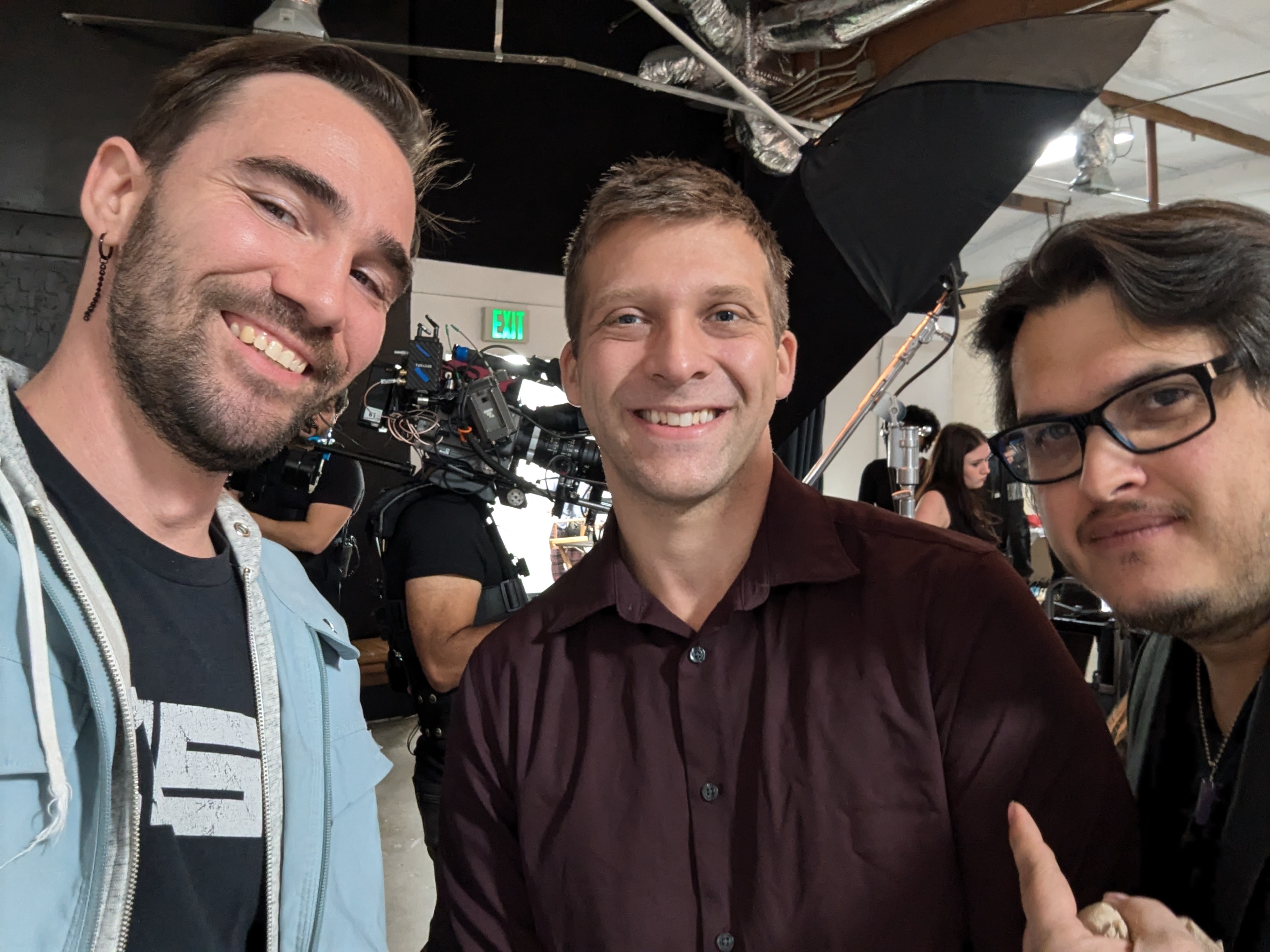
Multiple cameras already rolling
Established creative direction
A subject fully comfortable in front of the lens
A production tied to a television series
Your role becomes simple—but not easy:
Observe. Adapt. Execute.
No over-directing.
No breaking flow.
Just awareness, timing, and trust in the process.
What This Experience Reinforced
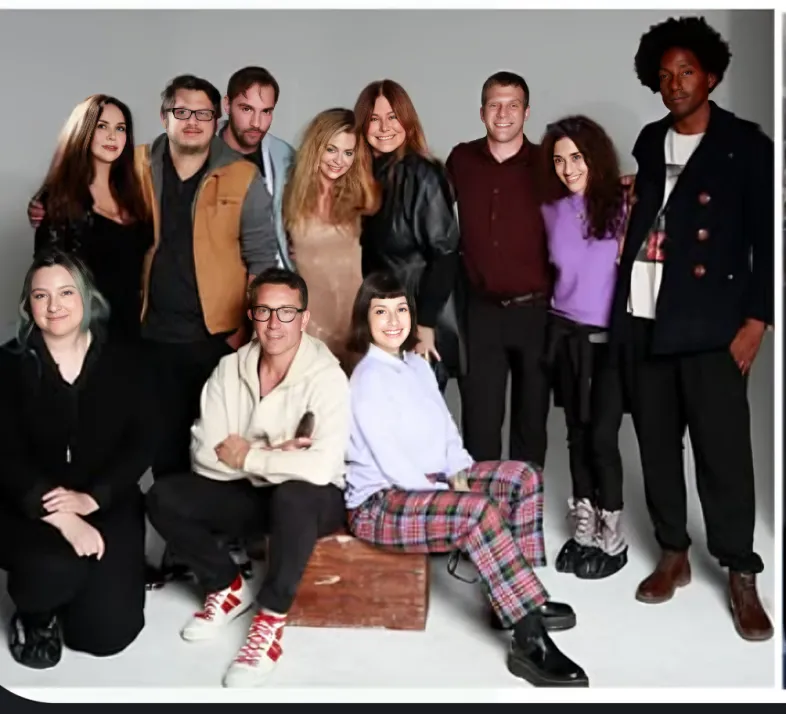
Being in environments like this—working with Denise Richards, alongside creatives like Julia Perry and Kimberly Metz—reinforces what high-level production really looks like.
It’s not chaotic.
It’s not loud.
It’s intentional.
The subject brings presence
The stylist brings direction
The photographer sets rhythm
And your role is to recognize it and capture it without disrupting it.
Final Thought
Filming Denise Richards during this moment wasn’t just about documenting a Runway TV cover shoot.
It was about stepping into a layered production—fashion, television, and real-time storytelling—and finding the space where your work fits naturally.
When everything is already working at a high level, you don’t force the shot.
You stay ready for it.